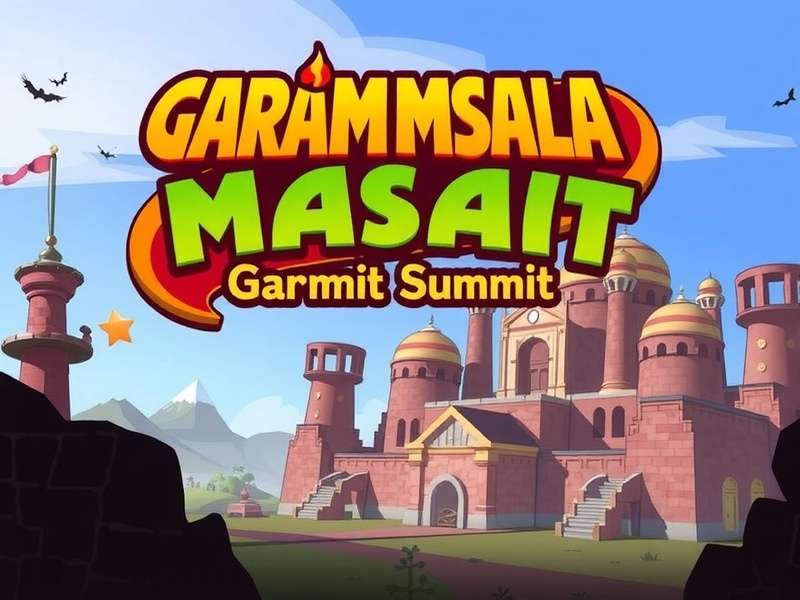
Garam Masala Summit isn't just another mobile game - it's a cultural phenomenon that has taken India by storm. Combining the vibrant flavors of traditional Indian spices with fast-paced gaming mechanics, this title offers a uniquely Indian gaming experience that resonates with millions of players across the subcontinent.
Developed by a team of passionate Indian game developers, Garam Masala Summit has become synonymous with innovative gameplay that incorporates elements of Indian culture, cuisine, and festivals. The game's title itself is a nod to the famous Indian spice blend "garam masala," symbolizing the perfect mix of excitement, strategy, and cultural pride.
Since its launch, Garam Masala Summit has consistently ranked among the top 10 mobile games in India, with over 15 million downloads across Android and iOS platforms. The game's popularity extends beyond metropolitan cities, finding enthusiastic players in tier 2 and tier 3 towns where mobile gaming is rapidly growing.
Gameplay Mechanics: Where Spice Meets Strategy
At its core, Garam Masala Summit is a competitive multiplayer game that combines elements of strategy, resource management, and quick reflexes. Players take on the role of "Masala Masters" competing in various culinary challenges to create the perfect spice blend.
Key Gameplay Features:
Spice Collection: Explore different regions of India to collect rare spices like cardamom, saffron, and black pepper
Blending Challenges: Participate in timed competitions to create authentic Indian masalas
Festival Events: Special game modes based on Indian festivals like Diwali, Holi, and Navratri
Multiplayer Battles: Team up with friends or compete against others in 4v4 spice wars
Recipe Crafting: Combine spices to create unique recipes that grant special abilities
The game's innovative "Spice Meter" system adds strategic depth, requiring players to balance heat levels, aroma, and flavor intensity to create winning blends. This mechanic has been praised for its authenticity, with many players noting how it mirrors real-life Indian cooking practices.
Indian Download Statistics & Player Demographics
Garam Masala Summit in Numbers (India)
Total Downloads: 15.2 million
Daily Active Users: 2.1 million
Peak Concurrent Players: 480,000
Average Session Duration: 28 minutes
Most Popular States: Maharashtra, Uttar Pradesh, Tamil Nadu, West Bengal
The game's popularity varies across India's diverse regions. In northern states like Uttar Pradesh and Punjab, players gravitate toward the competitive multiplayer modes, while southern states like Tamil Nadu and Kerala show higher engagement with the recipe crafting system.
Player reviews consistently highlight the game's cultural authenticity as its strongest feature. "Finally a game that understands our spices!" writes one player from Chennai, while another from Lucknow comments, "The festival events feel so real - it's like celebrating with the whole country!"
Localization: Tailoring the Experience for Indian Players
Garam Masala Summit stands out for its comprehensive localization efforts that go beyond simple language translation. The developers have created region-specific content that resonates deeply with Indian audiences:
Key Localization Features:
Language Support: Full support for 12 Indian languages including Hindi, Tamil, Telugu, Bengali, and Marathi
Regional Spices: Unique spice variants available only in specific states
Festival Calendars: Game events synchronized with real Indian festival dates
Local Voices: Voice acting by popular regional celebrities
Payment Methods: Support for UPI, Paytm, and other Indian payment systems
The most notable localization difference is the "State Championships" feature, where players compete to represent their home state in national tournaments. This has fostered intense regional pride, with some states even organizing offline viewing parties for the finals.
Community & Social Features
Indian players have embraced Garam Masala Summit's social features, creating a vibrant online community:
Popular Community Activities:
Masala Recipe Sharing: Players exchange custom spice blend recipes
Regional Clans: State-based groups competing in weekly tournaments
Festival Challenges: Community-wide events during major Indian holidays
Live Streaming: Thousands watch top players compete on platforms like Loco and Rooter
Community Engagement Metrics
Official Facebook Group: 1.8 million members
Discord Server: 320,000 active users
YouTube Content: 45,000+ fan-made videos
Twitch Streams: Average 12,000 concurrent viewers during tournaments
Indian Player Guides & Strategies
The Indian gaming community has developed sophisticated strategies for mastering Garam Masala Summit. Here are some top tips from the country's best players:
Pro Player Strategies:
Regional Spice Prioritization: Focus on spices native to your state for early-game advantage
Festival Timing: Save resources for double-reward events during major holidays
Team Composition: Balance spice types (hot, sweet, aromatic) in multiplayer matches
Language Tactics: Use regional slang in chat to confuse opponents from other states
Economic Play: Master the in-game spice market to buy low and sell high
Many top players recommend joining state-specific clans to access localized strategies. "Each state has its own playstyle," explains a rank 1 player from Kerala. "Kerala teams focus on aromatic blends, while Punjab teams go all-in on heat."
Indian-Exclusive Events & Tournaments
Garam Masala Summit regularly hosts events celebrating Indian culture that attract massive participation:
Recent Indian Events:
Diwali Dhamaka: 3-day tournament with ₹5 lakh prize pool
Holi Hai: Color-themed gameplay with exclusive cosmetic rewards
Cricket Spice: IPL-themed event with team-specific spice blends
Monsoon Mashup: Weather-based challenges during rainy season
The annual "Garam Masala World Cup" is the game's biggest event, featuring national teams representing each Indian state. The 2023 finals in Mumbai drew over 50,000 live spectators and 2.3 million concurrent online viewers.
Esports Scene in India
Garam Masala Summit has established itself as a leading title in India's emerging esports scene:
Esports Statistics
Registered Teams: 1,200+
Annual Tournaments: 24 major events
Prize Money (2023): ₹3.2 crore distributed
Average Viewership: 180,000 per tournament
The game's esports success has led to partnerships with major Indian brands like Byju's, Dream11, and Swiggy. Top players now enjoy sponsorship deals and media appearances, elevating gaming as a career option in India.
Technical Adaptations for Indian Markets
Recognizing India's unique tech landscape, the developers have optimized Garam Masala Summit for local conditions:
Key Technical Features:
Low Bandwidth Mode: Playable on 2G networks
Data Saver: Reduces data consumption by up to 60%
Offline Progress: Continue earning rewards without internet
Small Install Size: Under 150MB for initial download
Multi-Language Support: Interface in 12 regional languages
These adaptations have proven crucial in reaching players in rural and semi-urban areas, where network reliability remains a challenge.
The Future of Garam Masala Summit in India
With its strong Indian foundation, Garam Masala Summit has ambitious plans for expansion:
Upcoming Features:
State Elections: Player-voted governance for regional content
Spice Trading: Player-driven economy for rare ingredients
Bollywood Collaboration: Special events with Indian film stars
Rural Expansion: Partnerships with local internet providers
Esports Academy: Training programs for aspiring pro players
The developers have also announced plans to export the "Indian gaming model" to other spice-loving cultures in Southeast Asia and the Middle East.